 Healthy-Leap™ Lifestyle StudioNutrition. Communication. Healthier Families.
A free live Healthy-Leap™ masterclass for parents
Most parents know what a balanced plate looks like.Mealtimes at home can still be hard work for many families.
The reminders. The bargaining. The “one more bite.” The repeated snack requests parents often describe.
What if mealtimes are about more than the food?
Learn 3 shifts many families use to make mealtimes calmer — an educational session on food structure, language and routines.
A parent education session • Live with Shubhra Bajaj • Free to attend
Next live Healthy-Leap™ webinar begins in
Sound familiar?
Conversations parents often describe at home
“Just two more bites, please.”
“You've already had a snack.”
“Why can't you eat like your sister?”
“I'm not hungry… but can I have chips?”
“One more episode, then I'll eat.”
“I'll eat later, I promise.”
Many parents say these lines sound familiar.
The missing half
Food is only half the conversation.
Most nutrition advice stops at the plate. In real life, eating happens inside a family, a routine and a conversation.
Food
What is offered, and how it's structured.
Words
How food is spoken about at home.
Habits
What the child can eventually manage alone.
Together
Everyday eating habits
Commonly tried
Approaches parents often try…
So why do the same mealtime patterns return?
Often the food changed, while the structure and the conversation around it stayed the same.
- Explaining why some foods are everyday foods and some are occasional
- Blending vegetables into other dishes
- Rewards, stars and “just one bite” deals
- Changing what is kept in the kitchen
- Reminding and repeating, again and again
- A stricter routine that lasted about four days
The shift
Less policing. More parenting around food.
The old way
The Healthy-Leap way
Watching every bite
Setting a predictable food structure
Negotiating at every meal
Fewer decisions to argue about
Explaining health facts again
Changing how food is spoken about
Constant supervision
Children learning to make their own choices
Short-lived strict phases
Habits the family can actually keep
The Food Dialogue Method™
3 shifts. One calmer way forward.
Structure the food.
Change the conversation.
Build the child's control.
Healthy eating is not only about what goes on the plate. It's also about what happens around the plate.
Shift One
Structure the eating
Why focusing on individual foods is never enough — and how the structure around meals and snacks quietly shapes eating behaviour.
Shift Two
Change the food talk
How everyday parent language around food can unintentionally increase resistance, and how changing the conversation creates cooperation.
Shift Three
Build self-regulation
How to move from policing your child's eating toward helping them build real awareness and control around food.
Inside the masterclass
Three ideas that are rarely discussed
Why knowing isn't enough
Children often already know which foods are everyday foods. Information alone rarely changes behaviour.
Why “no” keeps backfiring
The most common phrases at the table can quietly make a food more desirable, not less.
Why control has a ceiling
Supervision works while an adult is present. Self-regulation is what continues after that.
Myth → Shift
Three beliefs worth rethinking
“If I explain health enough, they'll understand.”
Knowing is not the same as doing.
“If I don't control it, they'll eat anything.”
Structure is different from constant control.
“A stricter diet will fix the problem.”
Long-term habits need a family system.
What you'll leave with
Leave with clarity — not another list of rules.
- A clearer view of what can drive mealtime friction at home
- A simple way to structure meals and snacks without policing
- Language that lowers resistance instead of raising it
- A first step you can use at your very next meal
The live session
Come with one food struggle. Leave seeing it differently.
Live teaching
The three shifts explained with real family examples, not clinical theory.
Everyday language
Simple wording you can use at the table the same evening.
Parent questions
Space to ask about the struggle you actually came with.
Your trainer
Shubhra Bajaj
Child Nutrition & Food Communication Expert
Creator of the Food Dialogue Method™
Nutrition taught me the food.
Communication taught me the family.
I didn't build this from theory alone. My work began in food science and moved deep into language, emotion and behaviour through years of experience in communication-skills training.
Motherhood brought those worlds together. I had to rethink nutrition inside my own home while supporting my daughter's eating habits and family routines without turning food into a battle.
I later completed postgraduate training in Nutrition & Dietetics, clinical internship experience and diabetes-education training.
For more than six years I've worked closely with a pediatric endocrinologist and supported 1,000+ children and families with everyday eating habits and family nutrition.
Parents don't only need to know what to feed their children. They need to know how to make healthier eating work inside real family life.
1,000+
Children & families supported
6+ years
Alongside a pediatric endocrinologist
5–15
Age range this work focuses on
Right fit?
This masterclass is for you if…
- You are a parent or caregiver interested in family mealtime habits
- Mealtimes are something you would like to make calmer
- You prefer practical, everyday changes over rigid food rules
- You are open to looking at family routines as well as food
- You want food conversations at home to stay positive
- You see everyday consistency as part of building habits
This is not for you if…
- You are looking for a quick fix or a rigid food plan
- You want a one-size-fits-all diet chart with no context
- You are looking for change without involving family routines
- You are seeking diagnosis or emergency medical treatment
- You'd rather not take part in the process as a parent
Calmer mealtimes don't begin with another food chart.
They begin with structure, language and children gradually learning to make their own choices.
Questions
Frequently asked
Mealtimes can feel calmer for the whole family.
A different approach to family food habits — combining nutrition education, communication and practical routines.
Join Shubhra Bajaj for the live Healthy-Leap™ webinar.
An educational session on everyday family food habits, structure and communication.
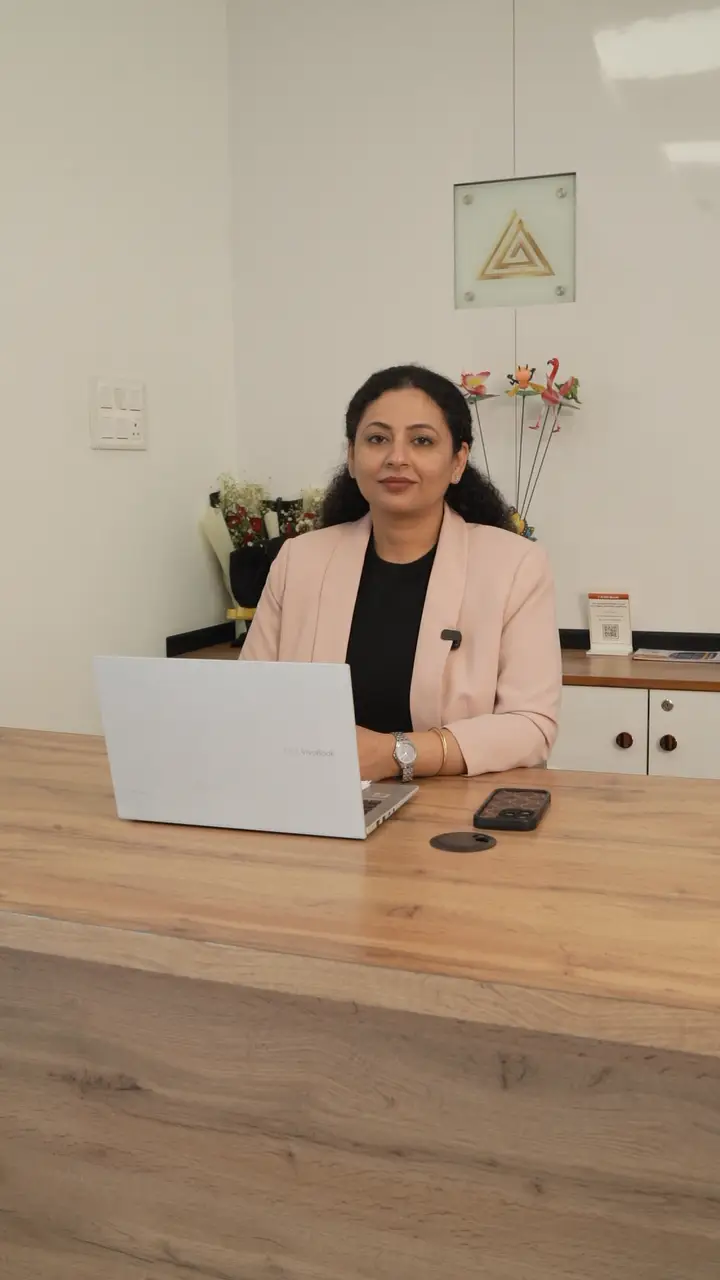
Your host
Shubhra Bajaj
Child Nutrition & Food Communication Expert
Creator, Food Dialogue Method™
What parents are searching
The questions behind the search bar
These are the things parents type at 11 pm after another difficult dinner. The masterclass speaks to all of them.
- healthy eating habits for kids
- picky eater child
- fussy eating in children
- child nutrition
- mealtime battles with kids
- child refuses vegetables
- constant snacking in kids
- how to stop food fights at home
- healthy lunchbox ideas
- kids and sugar cravings
- eating in front of screens
- how to make my child eat healthy
- meal routine for children
- parenting around food
- talking to kids about food
Free live masterclass for parents